Not Sure What Is Affecting Your Electrical Network?
We can assess your LV network, identify the root cause and recommend the right Power Quality solution for your facility.

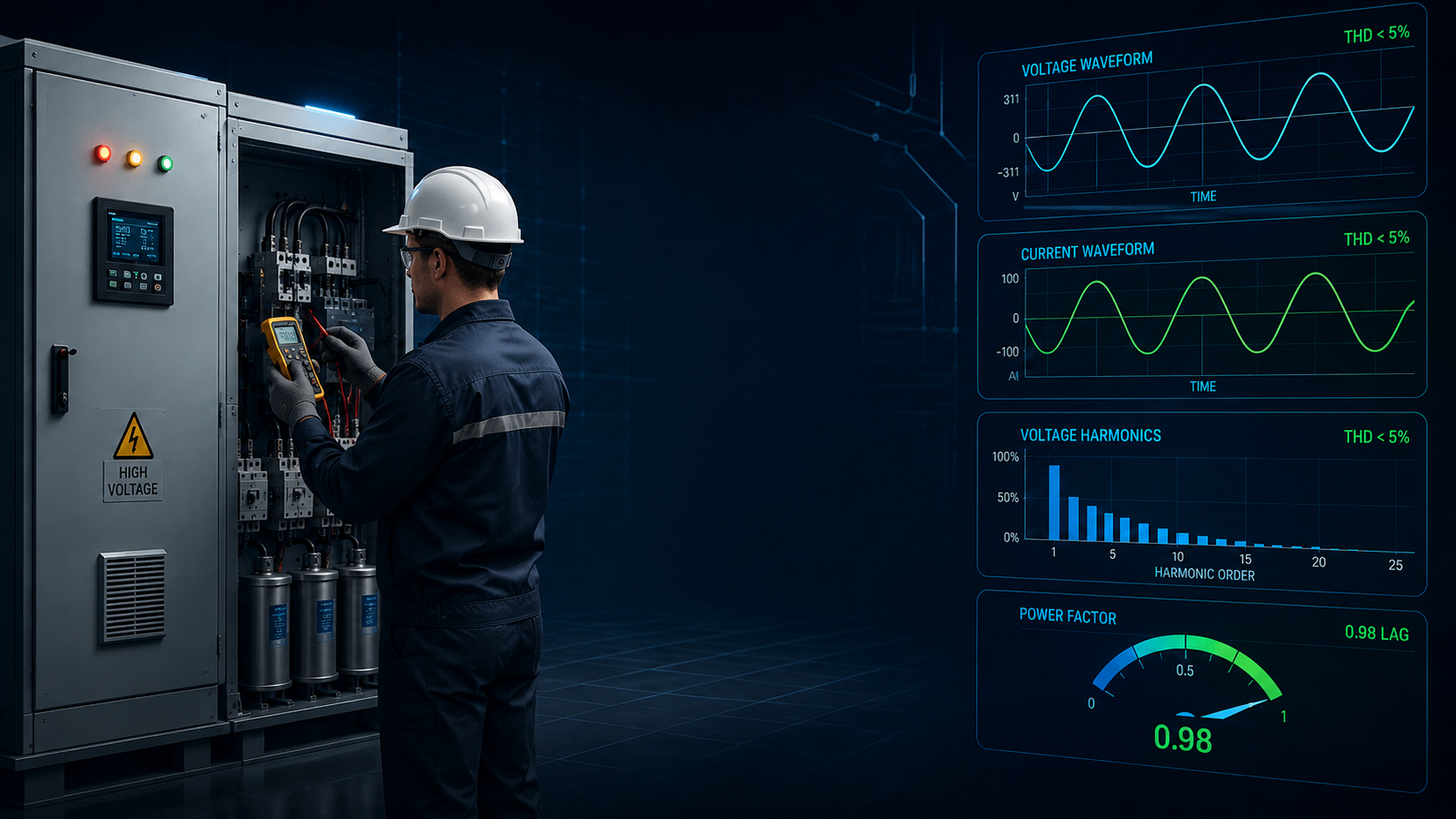
Poor Power Quality silently impacts electrical systems long before it becomes visible as a failure. Poor power factor, harmonics, overheating, capacitor failures, nuisance tripping, transformer loading and unexplained equipment issues can all lead to higher operating cost, lower reliability and unnecessary maintenance.
At TEAMS International, we help customers improve the electrical health of their facilities through practical, application-focused Power Quality solutions.
Our expertise covers:
Whether you are operating an existing facility or planning a new project, TEAMS helps you select the right solution based on the actual electrical behaviour of your installation.
We can assess your LV network, identify the root cause and recommend the right Power Quality solution for your facility.
Modern electrical networks are no longer simple. Buildings, Data Centres and Industries today use more and more power electronics in HVAC systems, Variable Frequency Drives, UPS systems, Automation Systems, LED lighting, compressors, pumps, IT loads and sensitive electronics. These loads change the electrical profile of the installation to large extend.
Without proper Power Quality management, customers may face:
A properly selected Power Quality solution helps improve system performance, reduce avoidable losses and enhance the reliability of the electrical network.
Buildings across the GCC rely heavily on electrical infrastructure to support cooling, comfort, safety and continuous operation. With HVAC systems, elevators, pumps, LED lighting, UPS systems, automation and IT loads operating together, the LV network is exposed to dynamic load patterns and Power Quality challenges.
For commercial, residential, hospitality, healthcare and mixed-use buildings, Power Quality improvement helps reduce electrical stress, improve Power Factor, manage harmonics and protect critical electrical assets.
High HVAC reactive power demand
Harmonics from VFDs, UPS and LED loads
Capacitor bank overheating or failure
Transformer and cable overheating
Neutral conductor heating
Nuisance tripping of protection devices
Poor transformer capacity utilisation
Higher electrical losses
Stress on LV switchgear
Disturbance to sensitive electronics
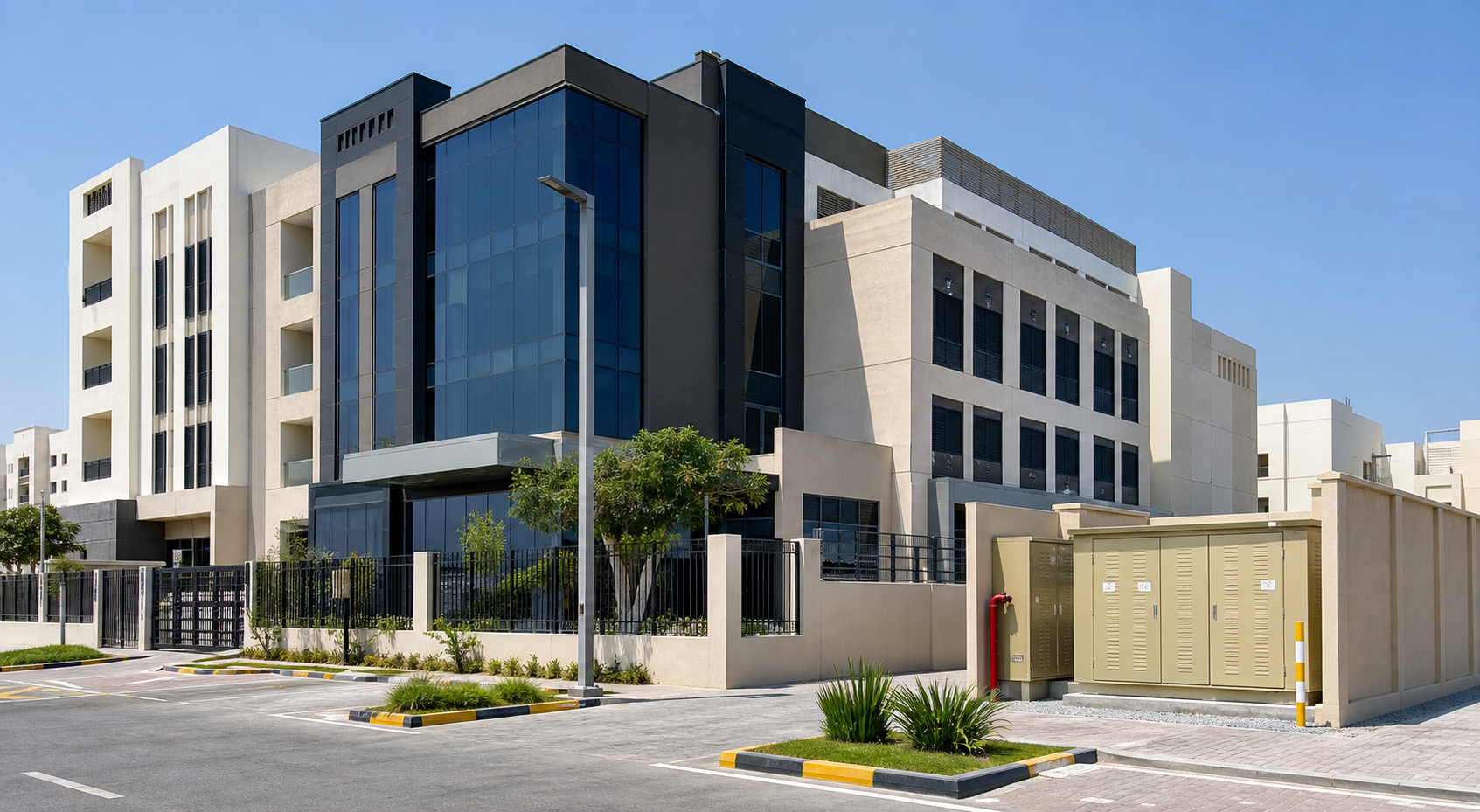
At TEAMS we assesses the building’s LV network by conducting detailed Power Quality study to identify the right Power Quality approach. Based on the outcome, we recommend suitable APFC panels, SVGs, Active Harmonic Filters or hybrid solutions to improve Power Factor, manage harmonics and reduce stress on transformers, cables, switchgear and sensitive equipment.
Our objective is to deliver a practical solution that matches the building’s real operating profile — not just a standard panel selection.
Data centres are expanding rapidly as cloud computing, AI, digital services, cybersecurity and data storage become essential to business continuity. This makes electrical reliability a core requirement, not a supporting function.
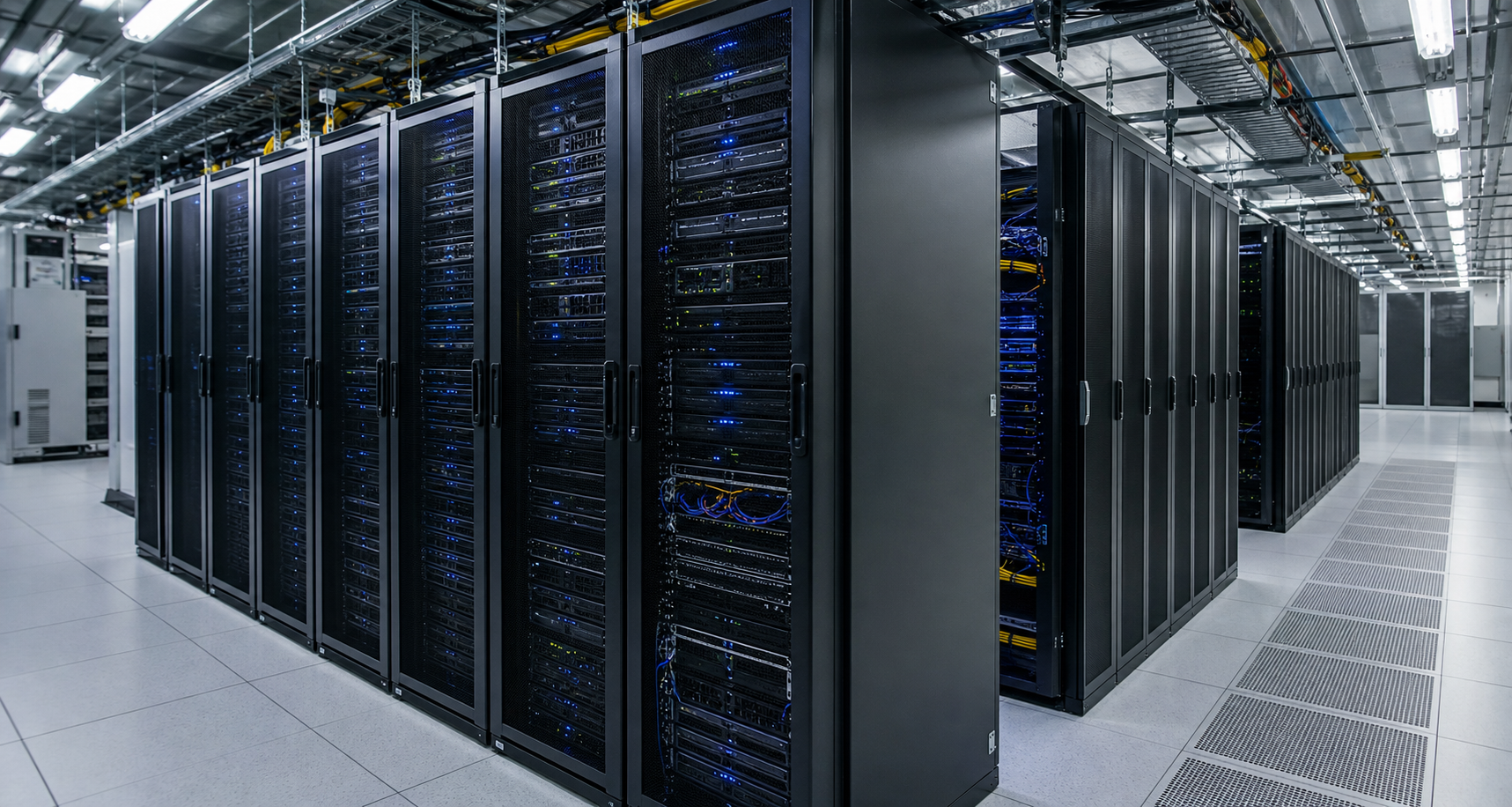
Data centres have a unique load profile. UPS systems, servers, IT power supplies and precision cooling equipment operate continuously, creating high load density and a sensitive LV network. The heavy use of non-linear electronic loads and high cooling demand can contribute to harmonics, reactive power variation, transformer stress, cable heating and higher electrical losses.
For data centres, Power Quality is not just correction — it is protection of uptime, equipment health and operational continuity.
Stable Power Factor under 24/7 load
Harmonics from UPS and IT loads
Transformer and cable stress
Overheating in dense LV networks
Nuisance tripping risk
Disturbance to sensitive IT equipment
High electrical losses
LV network stability for uptime
Reliable power for critical cooling
Protection of mission-critical systems
At TEAMS, we evaluates the data centre’s LV network, UPS configuration, IT load profile and cooling infrastructure to identify Power Quality risks that can affect uptime and equipment reliability.
Based on the site condition, we recommend suitable Active Harmonic Filters, SVGs or hybrid solutions to control harmonics, stabilise Power Factor, reduce electrical stress and support reliable operation of mission-critical systems.
Industrial facilities operate with demanding and often dynamic electrical loads. Motors, drives, compressors, pumps, production lines, furnaces, welding equipment and automation systems can create Power Factor and harmonic-related issues. For industries, poor Power Quality can directly impact productivity, equipment reliability and maintenance cost.Industrial facilities in Oman — especially oil & gas, metals, manufacturing and continuous process plants — operate with heavy, dynamic and mission-critical electrical loads. Large motors, VFD-driven pumps and compressors, furnaces, welding systems, conveyors, production lines, UPS systems and automation equipment create a complex LV network where Power Factor and harmonics need careful attention.
In continuous operations, poor Power Quality is not just an electrical issue. It can increase losses, stress transformers and cables, damage capacitor banks, trigger nuisance tripping and affect plant reliability. For industries where downtime is costly, a stable and well-managed electrical network directly supports productivity, equipment life and operational continuity.
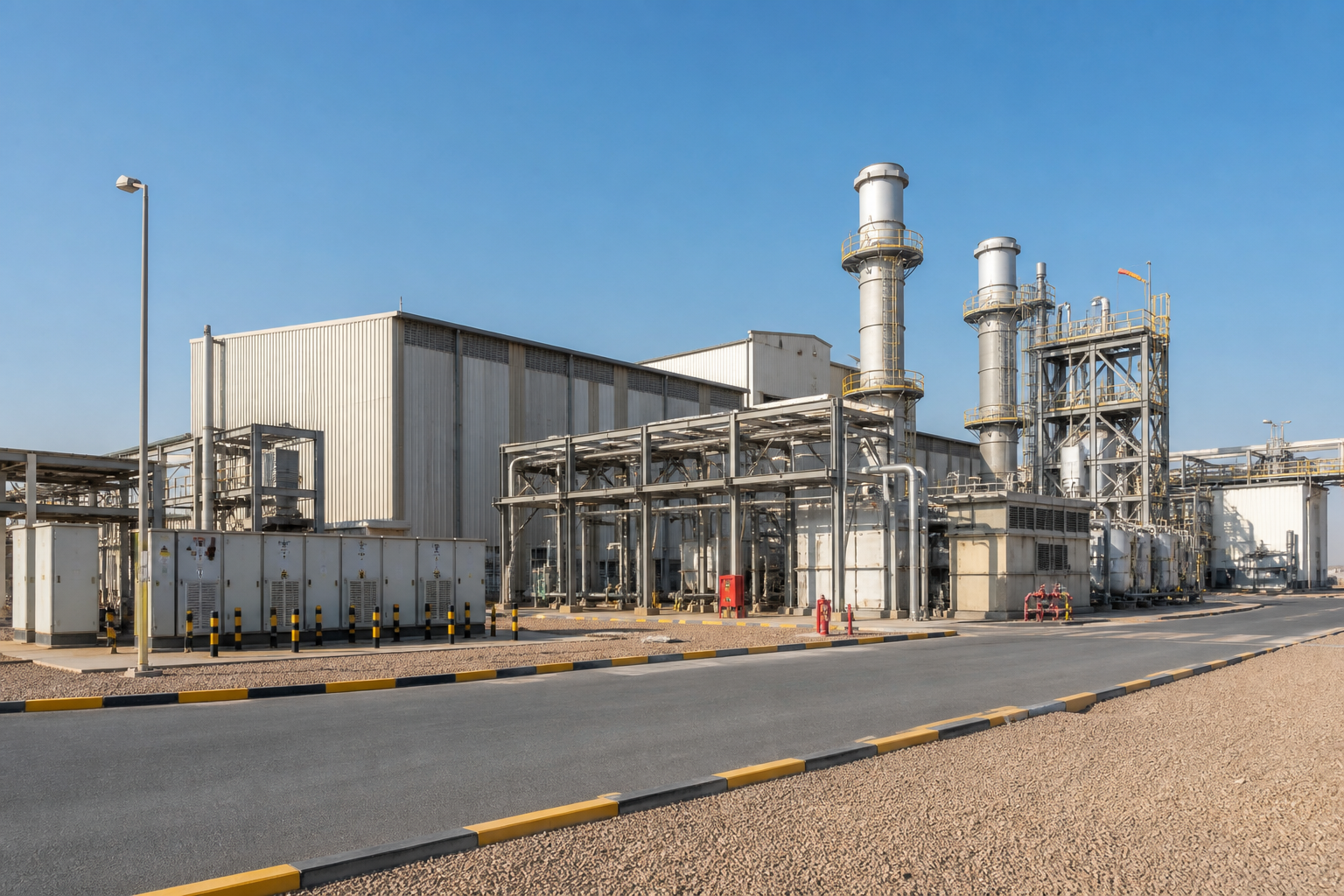
TEAMS studies the industrial LV network, load behaviour and operating pattern to identify the real source of Power Quality issues — whether it is reactive power demand, harmonics from drives, capacitor stress, transformer loading or fast-changing process loads.
For relatively stable industrial loads, properly designed APFC panels can improve Power Factor and reduce losses. For plants with VFDs, UPS systems, furnaces, welding loads or continuously varying production loads, SVGs, Active Harmonic Filters or hybrid solutions can provide better performance and long-term reliability.
Our approach is focused on practical industrial outcomes: lower electrical stress, fewer nuisance trips, improved equipment life, reduced losses and stronger continuity for critical operations.
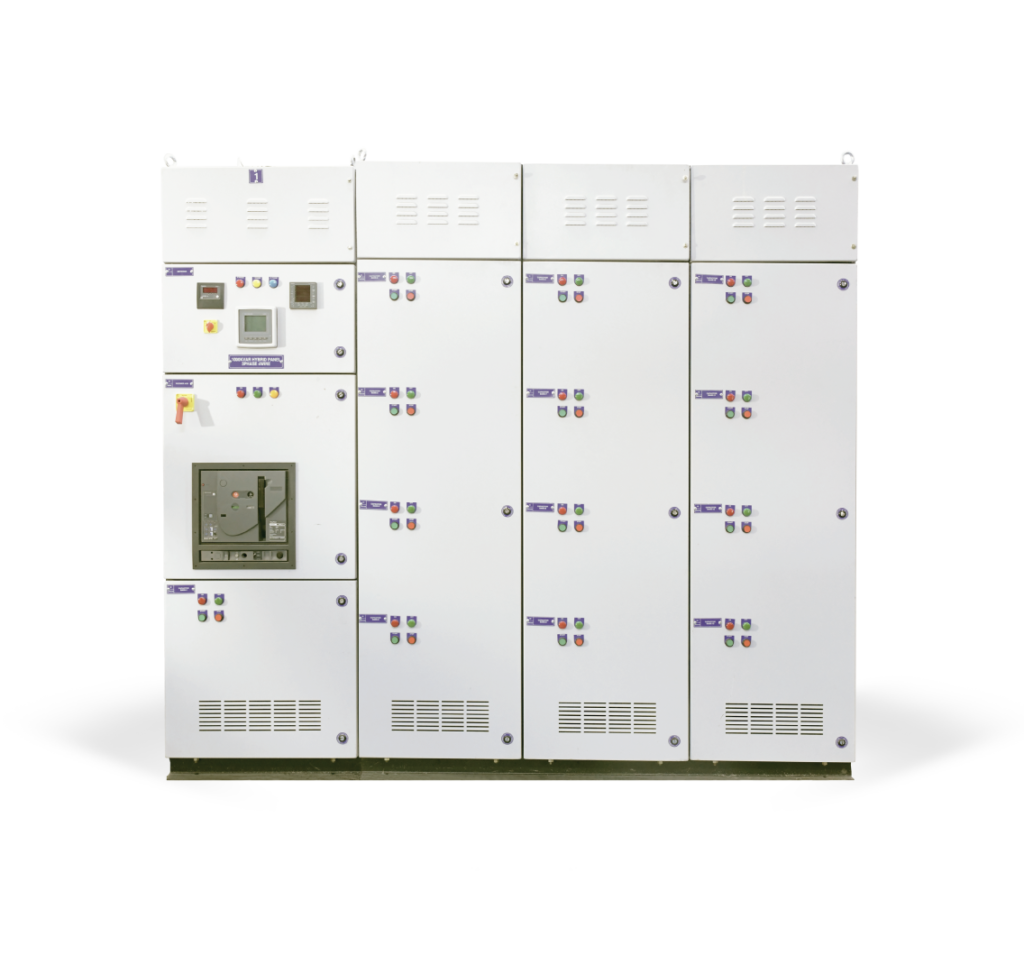
Automatic Power Factor Correction panels are widely used to improve Power Factor in Low Voltage installations.
They are suitable for facilities where reactive power demand is relatively stable and where harmonic levels are within acceptable limits.
APFC panels can help:
TEAMS can support with selection, sizing, supply and implementation of APFC panels based on project requirement.
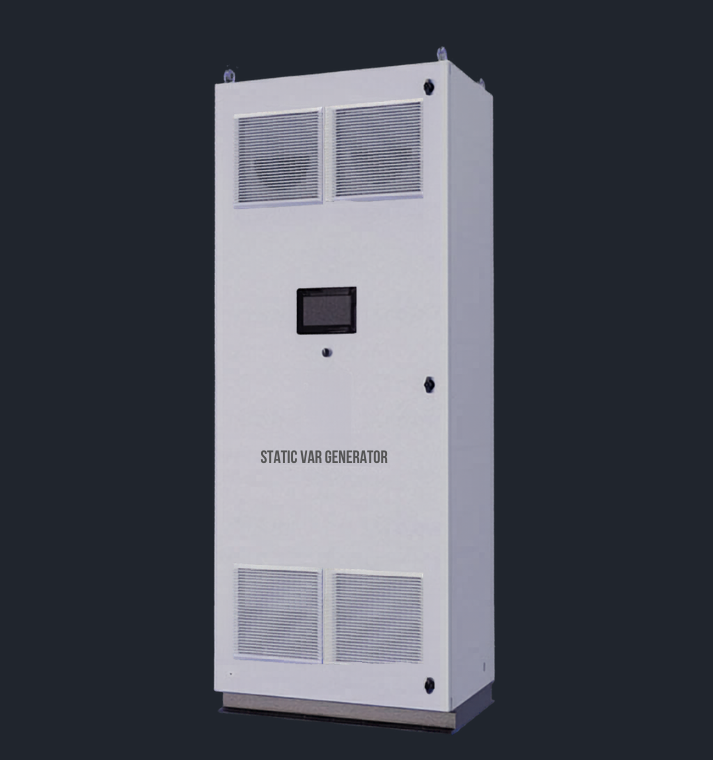
Static VAR Generators provide fast, dynamic reactive power compensation. Unlike conventional capacitor switching systems, SVGs respond rapidly to changing load conditions.
SVGs are suitable for modern installations where the load profile is dynamic and precise compensation is required.
SVGs can help:
For buildings, data centres and industries with dynamic loads, SVGs can be a strong technical and commercial choice.
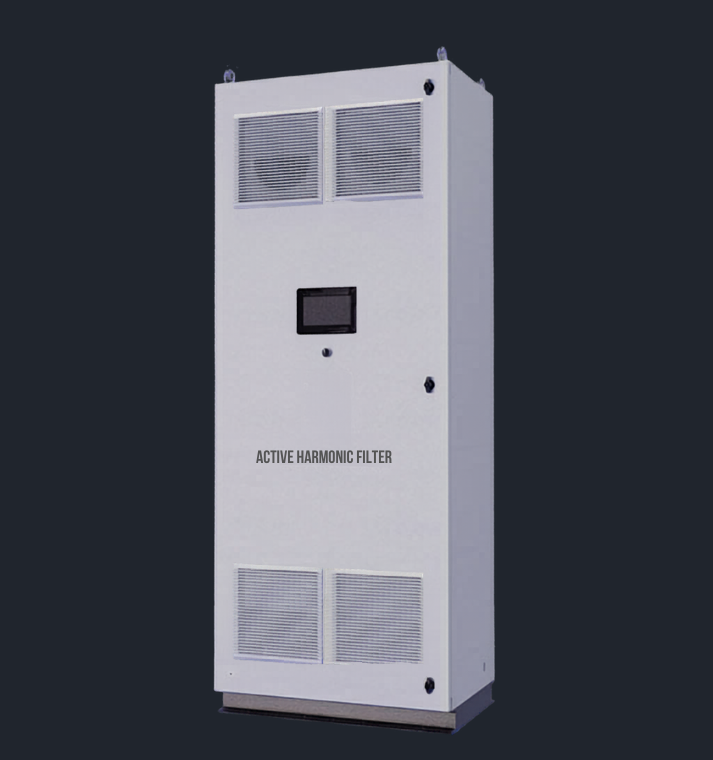
Active Harmonic Filters are designed to reduce harmonic distortion caused by non-linear loads such as variable frequency drives, UPS systems, rectifiers, EV chargers, LED lighting and electronic equipment.
AHFs monitor the harmonic current and inject compensating current to reduce distortion in the network.
Active Harmonic Filters can help:
TEAMS helps customers select the right AHF solution based on site measurement, design data or project specification.
In many facilities, the best solution is not one product. A hybrid approach may combine APFC panels, SVGs and Active Harmonic Filters to address both reactive power and harmonics. Hybrid solutions are especially useful where customers need a balance of performance, cost, space and future scalability. We evaluate the electrical requirement and recommends a solution that is technically suitable and commercially sensible.
For existing facilities, TEAMS follows a structured and evidence-based approach.
Our objective is simple: measure correctly, recommend responsibly and implement effectively.
Power Quality should be considered at the design stage, not after operational issues appear.
Design Stage Support
Where design data is available, we can help evaluate the expected load profile and recommend suitable Power Factor correction and harmonic mitigation solutions.
This may include:
TEAMS supports consultants, contractors, developers and end users in selecting the right Power Quality solution for new projects.
Quotation Based on the Specification
Where the consultant or designer has already specified the Power Quality solution, TEAMS can provide a suitable technical and commercial offer.
We support project requirements for:
Our role is to help ensure that the proposed solution is practical, reliable and aligned with project requirements.
TEAMS brings a practical, engineering-led approach to Power Quality improvement. We understand that customers do not need generic products. They need solutions that work in real operating conditions.
TEAMS helps customers move from electrical symptoms to engineered solutions.
Whether you are planning a new project or improving an existing installation, we can help you select and implement the right LV Power Quality solution.
Power Quality refers to the condition of electrical power supplied to equipment. Good Power Quality means that voltage, current, frequency, Power Factor and harmonics remain within acceptable operating limits.
Power Quality affects energy efficiency, equipment life, electrical reliability and maintenance cost. Poor Power Quality can result in losses, overheating, failures and operational disruptions.
Common issues include low Power Factor, harmonics, capacitor failure, transformer heating, cable overheating, nuisance tripping and voltage distortion.
A Power Quality study is recommended when a facility experiences poor Power Factor, capacitor failures, repeated tripping, overheating, high electrical losses or unexplained equipment issues.
Yes. Poor Power Factor and higher electrical losses can increase operating cost. Improving Power Quality can help reduce avoidable losses and improve electrical efficiency.
APFC panels improve Power Factor using capacitor banks. SVGs provide fast dynamic reactive power compensation. Active Harmonic Filters reduce harmonic distortion from non-linear loads.
APFC panels are mainly used for Power Factor correction. The blocking reactors only prevent harmonic current to enter capacitor circuit, but do not eliminate them. If harmonics are present, the system must be carefully designed. In harmonic-rich networks, Active Harmonic Filters or hybrid solutions may be required.
SVGs are suitable where loads change quickly, where precise compensation is required, where space is limited, or where conventional capacitor-based systems are not delivering stable results.
Active Harmonic Filters should be considered when harmonics from drives, UPS systems, rectifiers, LED lighting or electronic loads are affecting the electrical network.
Yes. TEAMS supports existing facilities through Power Quality studies and solution implementation. For new projects, TEAMS can support design-level recommendation or quotation based on consultant specification.
Let us guide you towards "Powering the future...Sustainably!"